
Best Time to Visit
The best time to visit Rajasthan will mostly depend on what you plan to do when you visit the state. While the summers are rather hot in Rajasthan, they may not be the best time to visit Rajasthan, as the temperatures may severely impact your sightseeing schedules, winters are generally considered to be the best season to visit Rajasthan. However, it all depends on what you plan to do and how much you can stand the heat. Some knowledge about what the temperature and weather is like during the year can help you in better planning your itinerary.
Rajasthan during the different times of the year:
Given its location and geography, the state of Rajasthan mainly experiences three seasons, those being - winters, monsoon, and summer.
Winters – The winters are marked as being the best season to visit Rajasthan. While various parts of India experience an extreme drop in temperatures and chilly weather, the princely state enjoys a mild weather with temperatures ranging between 10°C – 30°C for most parts. Winters in Rajasthan usually commence around October and extend to January. While it is nice and sunny during the day, it is mostly the nights that get chilly during this time of the year.
Another significant reason that makes winters the best time to visit Rajasthan is the series of colourful and exciting fairs and festivals that take place in various cities. Some of the most popular festivals that the state is known for, including the Jaipur Literature Festival, Udaipur World Music Festival, Camel Fair, and Pushkar Fair, are observed during the winter season.
So, visiting Rajasthan during the winters will enable you to witness the culture of Rajasthan a little closely.
Monsoons – The South-West Monsoon and Western Disturbances are the main causes of rainfall in Rajasthan. The Aravalli range running across Rajasthan from Guru Shikhar in the south west to Khetri in the north east, divides the state in a 60 by 40 ratio. So, while 60% of the state lies to the north west of the range, 40% of it lies to the south east. Lying parallel to the incoming southwest monsoon winds, the mountain range fails to intercept them, resulting in a dry and sandy north west region. On the contrary, the eastern and south eastern parts of Rajasthan are both better watered and more fertile. Rainfall in Rajasthan ranges in between 100-165 mm during the monsoon season. The presence of impervious rocks in the western parts of Rajasthan can also sometimes cause them to flood up.
Visiting Rajasthan during the monsoon season, you will be welcomed by lush greenery, rainbows, and peacocks dancing around. You will also get to catch up on some cultural extravaganzas, as various parts of the state ready up for the Teej festival in the monsoon season.
Summers – Summers in Rajasthan are usually hot and dry, with temperatures rising up to as high as 48 degrees Celsius. Scorching heat and high temperatures make things challenging for people here. Temperatures in areas around the Thar Desert are usually the harshest. However, summers in places like Mount Abu, Ranakpur, and Kumbhalgarh in Rajasthan, which are the places to which tourists mostly flock to when visiting the state in this season, are rather pleasant.
For people who have a problem with extreme weather conditions, this might not be the best time to visit Rajasthan. However, if you plan on coming to Rajasthan during this time of the year, make sure that you bring along things like sunscreen and comfortable and light cotton clothes with you. It will also help save you from sunburns if these attires are full-sleeved.
How to reach
By Air
Rajasthan is a tourist hub and therefore well-connected by air. Whether you're flying in from within the country or from another one, you'll find that there are a host of options you can choose from based on your itinerary. The three major airports of Rajasthan are Sanganer International Airport in Jaipur, Jodhpur Airport and Dabok Airport in Udaipur. While Sanganer is open to domestic and international air traffic, Jodhpur and Udaipur only serve domestic routes and Jodhpur also doubles up as a base for the Indian Air Force. These three airports collectively connect Rajasthan to most major cities in India, with Jaipur Airport also offering connections to some international destinations such as Muscat, Singapore, Abu Dhabi etc. Jaisalmer has the civil airport facility and has direct air connectivity from Jaipur, Delhi, Mumbai, Banglore and Surat. Airport at Kishangarh (Ajamer) and airport at Bikaner are also operational for domestic flights.
By Rail
Rail is one of the best ways to travel to Rajasthan from anywhere within India as it is both, comfortable and economical. The state is well-connected to all the major cities across the nation and there are several routes to opt from. The major railway stations of Rajasthan are Jaipur, Kota, Bharatpur, Bikaner, Ajmer, Alwar, Udaipur, Abu Road and Jodhpur. But out of this lot, Jaipur and Kota are major hubs connecting the major cities of India to Rajasthan.
By Road
Rajasthan has 20 national highways passing through the state, spanning a distance of about 6373 kms. The NH-8 which connects Mumbai to Delhi is the busiest national highway in Rajasthan and runs through Ajmer, Jaipur, Udaipur and Chittorgarh. Besides the NH-8, Rajasthan is also connected to other major cities in India such as Delhi, Ahmedabad and Indore by state highways. You can very well choose to drive to Rajasthan or hop onto a bus operated by the Rajasthan State Road Transport Corporation, if you prefer travelling by road.
Places to visit
Places to visit
Jaipur
Jaipur

Jaipur, the city of pink is known for its palaces, forts, and temples. It is one of the most popular tourist places in Rajasthan. Some of the major attractions of the city include the Amer Fort, Hawa Mahal, Jantar Mantar, Nahargarh Fort, and the City Palace. These monuments highlight the Rajput architecture and traditions. Intricate designs, beautiful landscapes, and the royal aesthetics are the things to observe.
Jodhpur
Jodhpur

Mehrangarh Fort, this flawless fort which looks as if it’s grown out of the hill is a must visit in Jodhpur. The fort is encircled with gigantic walls which encloses several castles and zenanas. Every nook and corner of this immense structure will poke the curious historian inside you. Follow it with a visit to the Jaswant Thada also known as the Taj Mahal of Marwa, elegant Umaid Bhavan Palace, and Mandore Gardens.
Udaipur
Udaipur
Udaipur is home to Rajasthan’s largest palace, city palace. With a facade of staggering 30.4m high and 240 m long, this towering structure will be more than a handful to explore. The city of lakes has some mind-blowing attractions like the lake palace at the banks of Lake Pichola and the Garden Palace. The 15th-century fort of Kumbhalgarh situated near Udaipur is a must visit. There are lot of things to see and do in Udaipur and is a must visit on any Rajasthan holiday.
Mount Abu
Mount Abu

The one and only Hill station in Rajasthan. With the highest altitude at 1700 meters is a consolation in the scorching desert heat. Guru Shikhar is the highest peak in Mount Abu, the view from up there is mesmeric. The Dilwara Jain Temples near Mount Abu is another example of the mastery of Rajasthani architecture. This enthralling marble edifice will blow your mind. Another spot you should not miss by any chance is The Nakki Lake; this lake located right beside Mount Abu is a popular boating spot.
Jaisalmer
Jaisalmer

Jaisalmer – The golden city of Rajasthan is known for its majestic forts, grand palaces, ancient havelis, great sand dunes, and the astounding view of the Thar desert. The view of the entire city from the Jaisalmer fort is breathtaking, indulge in the serenity of the Gadi Sagar lake, camp under the open sky of the Thar desert, witness wildlife at the desert national park, admire the craftsmanship at some of the most artistic havelis, and finally visit the India Pakistan border.
Chittorgarh
Chittorgarh
Chittorgarh, the city ruled by brave kings lies on the banks of river Berach and Gambini. One of the landmark monuments of this city is the Chittorgarh fort. This fort was home to some of the bravest and heroic rulers of Chittor. The Vijay Stambh, the Kirti Stambh, Rani Padmini’s Palace, Fateh Prakash palace are some of the must-visit historical structures within Chittorgarh.
Ajmer
Ajmer

Ajmer is considered as the most significant place for the Islamic culture. Khwaja Muin-ud-din Chishti is one of the well known Muslim pilgrimage centers in Ajmer. All these places provide as a great example of Muslim architecture.some of the prominent places to visit are the Ajmer Sharif Dargah, Taragarh Fort, Adhai Din ka Jhonpra, Akbari fort, and museum.
Ajmer is also a notable town for Jain Religion. Some of the Jain places to visit are the Nasiyan Jain Temple, Nareli Jain Temple, Rang Temple. Apart from these, there is Prithviraj Smarak, Anasagar Lake, and Buland Darwaza.
Wildlife in Rajasthan
Wildlife in Rajasthan

Ranthambore National Park
Ranthambore National Park is famous for its Tigers. Surrounded by the Aravali and Vindhya hill ranges, this park is a serene location filled with soothing green vegetation and wildlife. Ranthambore National park is considered to be one of the best forests in India with its thriving wildlife, mostly Tigers. Ranthambore fort which is also located in the Park is another exciting place from where you can watch the mighty predators in action. This fort, like every other fort in Rajasthan, has a rich history of resilience against foreign invaders.
Keoladeo Ghana National Park
Keoladeo Ghana national park located in the Bharatpur region is a wildlife and bird sanctuary. It is a world heritage site under the category of national parks. This place is an important bird breeding and feeding grounds in western India. During monsoon, the entire national park gets filled with birds of more than 360 species. It is also the winter habitat for aquatic birds. Animals like deer, nilgai, boar can be spotted rarely in this national park.
Sariska National Park
Sariska national park located in the Alwar district of Rajasthan is the most visited national parks in Rajasthan. This national park is stretched across an area of 800 sq. kilometers and is separated into various segments. Siliserh Lake and Jaisamand lake within the national park is the home to various crocodiles and water snakes. Ruins of an ancient temple of Garh Rajor is also located within the sanctuary. Animals of distinct species like a wild dog, jungle cat, hyena, jackal, and Bengal tigers are found here.
Things not to miss in Rajasthan
Things not to miss in Rajasthan
1. Camel Safari and Desert Camping
One of the things that you should not miss when you are visiting the deserts of Rajasthan is the camel ride. Ride through the desert on a camelback and observe the rustic beauty of the rural desert life of Rajasthan.
One can also stay at the desert camps and experience a day of living in the desert. These camps host events like traditional Rajasthani dance and music to keep their guests entertained.
Home to the second largest fort in Rajasthan, Jaisalmer is the ‘typical Rajasthan’ with the Thar covering most of the part. In here the sand dunes with the golden dust is another attraction which will take your breath away, these sand dunes which change shape with every wind is a sight to behold. You can indulge in activities like quad biking, jeep riding, Camel riding and even Paragliding above Thar.
2. Dune Bashing
Known as desert safari, Dune Bashing is an adventure to explore the sand dunes of the desert. People who love adventure will definitely enjoy riding through the desert on a car and not on a camel.
3. Hot Air Balloon Ride
Enjoy flying in the open and get a bird’s eye view of the entire city with a balloon ride in Jaipur. It is an hour long ride and this is available only in Jaipur. The beauty of the pink city is breathtaking from up there.
4. Zipline
Adventure enthusiasts take a zip line ride to get a glimpse at the majestic forts of Rajasthan. Feel the thrill of riding from one hill to another overlooking the mighty hills. It is one experience you do not want to miss.
To have the best zip line experience visit the one in Neemrana Fort in Alwar district.
5. Kite festival
International Kite Festival, held on the occasion of Makar Sankranti is a must visit if you are visiting Rajasthan in January. Held on 14 of January every year, this festival attracts tourists and participants from the entire country. Celebrate the festival and enjoy the pleasure of flying kites.
6. Shopping
Rajasthan is also famous for its vibrant and colorful street markets. Here you can find items like handicrafts, ethnic jewelry, leather goods, miniature paintings and much more. Johari Bazaar in Jaipur is known for handmade jewelry, Clock Tower market in Jodhpur is famous for spices. Traditional Bandhani fabrics are found in Nai Sarak market in Jodhpur. Shop for some miniature paintings and home decor at the Hathi Pol Bazaar in Udaipur. Don’t forget to try the traditional Rajasthani sweets at Kote Gate in Bikaner.
7. Bike Tour
Touring the land of Forts dotted with glimpses of glory is one of the perfect ways to experience the scent and life of Rajasthan. In Rajasthan, most of the roads are in good condition. With a company of friends who shares the interest of riding, a motorcycle tour through Rajasthan will definitely prove to be a good memory you can cherish forever.
8. Tuk Tuk Ride
8. Tuk Tuk Ride
Rajasthan is famous for its eco-friendly Tuk Tuks. Mostly driven by women, Tuk Tuk Ride will come in handy when it comes to easily commuting inside the city. These drivers know the city like the back of their hand they can take you through some offbeat roads on request! How exciting is that?
Palace on Wheels Train
Palace on Wheels Train
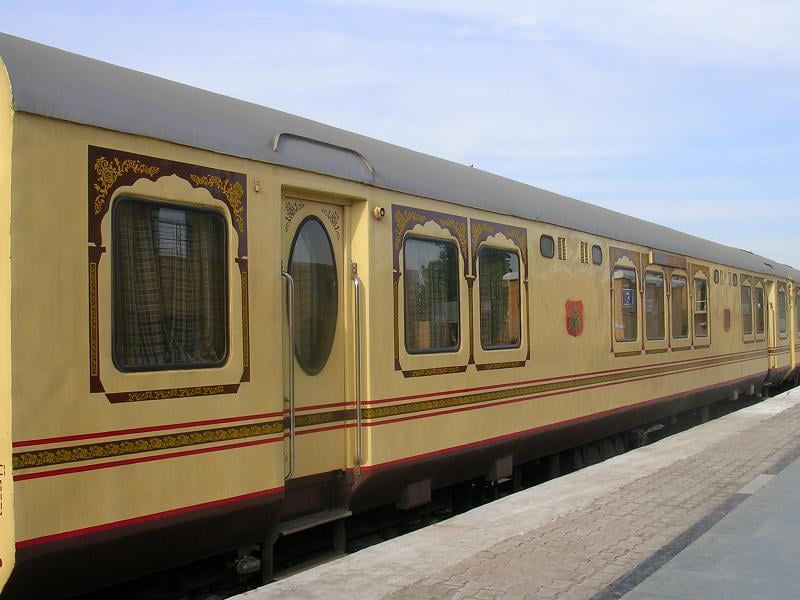
Experience the Royal lifestyle at one of the oldest and luxurious trains in India. Palace on Wheels which was started on 26th January 1982 is run by the Indian Railways and the Rajasthan Government. Before independence, these trains were used only by the royal families on India. In 1982 Rajasthan Government launched it to attract more tourists. This is one of the finest luxury trains in India and takes you on a beautiful journey through Rajasthan.
This Palace on Wheels begins its journey in New Delhi, through Rajasthan, Uttar Pradesh, and Madhya Pradesh and comes to a halt at New Delhi. But the best part about the journey is the train itself. Intricate interiors and decor reflect the royal lifestyle of the Rajputana Kingdom.The Indian Maharaja-Deccan Odyssey, Royal Rajasthan on Wheels, Maharajas Express are some of the latest luxury trains that were introduced recently in India.
Rajasthan Travel Trips
- It’s highly recommended that you choose a guide who is an authorized personnel with an ID from the State Government and the Tourism Board
- Dress modestly, Avoid stares by avoiding tight, sheer and skimpy clothes.
- Have head cover handy for women (and sometimes men) visiting some places of worship – especially gurdwaras (Sikh temples).
- Wear Cotton Clothes but keep woolen clothes handy too because in Rajasthan days are hot and nights are chilly. I winter it will be too cold. So dress according to the time you travel.
- Food is spicy and greasy- carry antacids with you.
- For economical stay options, ask locals for a ‘Dharamshala’’. Use services like AirBnB or Oyo Rooms.
- Transact in cash at merchant stores – not all shops take credit cards or, if they do, they charge extra.
- Carry plenty of small bills for taxi and rickshaw fares as drivers rarely have change.
- Carry a business card of the hotel in which you are staying, as your pronunciation of streets, hotel names etc may be incomprehensible to drivers. Some hotel cards even have a sketch map clearly indicating their location